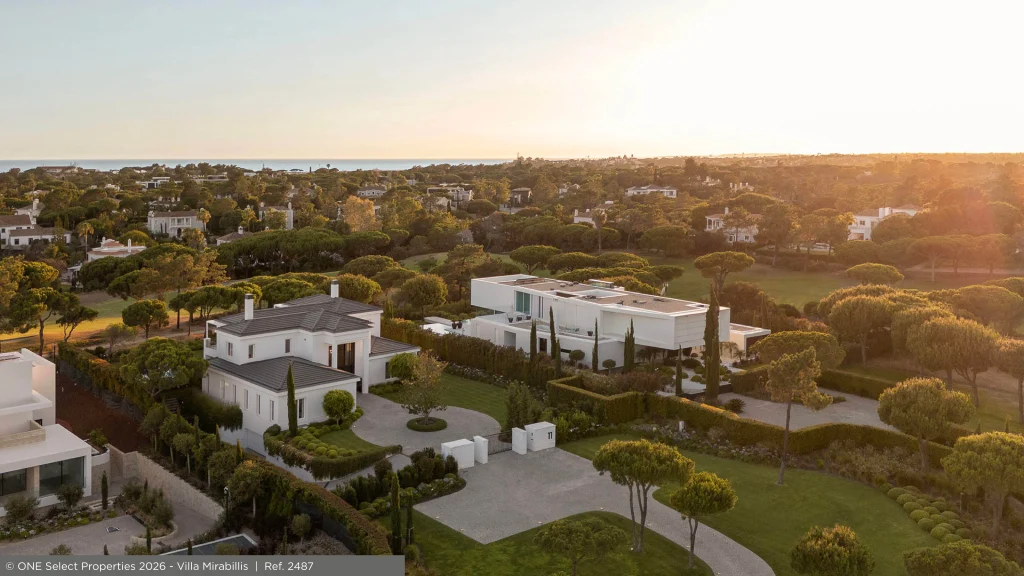
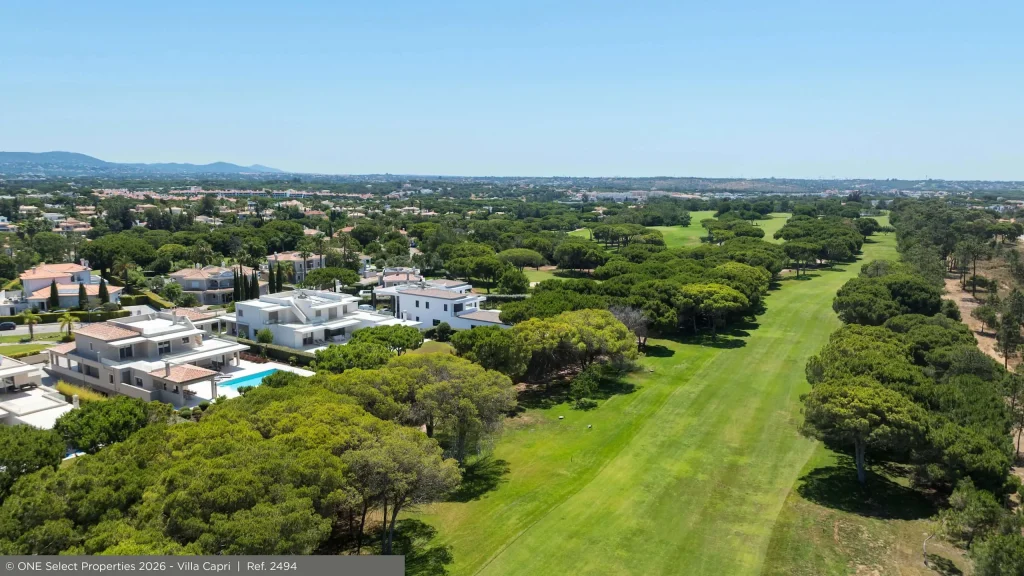
August is generous to Algarve property. It lends warmth to pale stone, allows terraces to behave like extra rooms and makes the relationship between house, garden and pool feel almost seamless. Doors remain open. Lunch stretches into the afternoon. Bedrooms are places to sleep rather than rooms in which much time is spent.
December is less forgiving. And that is precisely why it can be useful.
For someone buying a home in the Algarve rather than simply holidaying here, the quieter months can reveal aspects of a property that summer makes easy to overlook. Natural light, orientation, heating, room proportions, exposure, shelter and even the usefulness of the surrounding location become more apparent once the terrace is no longer doing quite so much of the work.
The question is not whether an Algarve home should be wonderful in August. It should be. The better question is: would you still choose it in December?
When the Doors Close
Outdoor living is one of the great pleasures of owning a home in the Algarve. It can also make certain compromises less visible.
In summer, a strong terrace can carry a house. Breakfast happens outside. Children move between the pool and garden. Friends stay late over dinner. Interior and exterior spaces blur into one another. When the evenings become cooler and the doors stay closed for longer, the balance shifts. That is when room proportions begin to matter differently.
A vast open-plan living space may be impressive during a viewing, but does it still feel inviting with two people in it on a December evening? Is there somewhere quieter to read or watch television? Does the dining area feel connected to everyday life or primarily designed for entertaining? Is there a secondary sitting room, office or snug that seemed almost unnecessary in July but suddenly becomes one of the most useful rooms in the house?
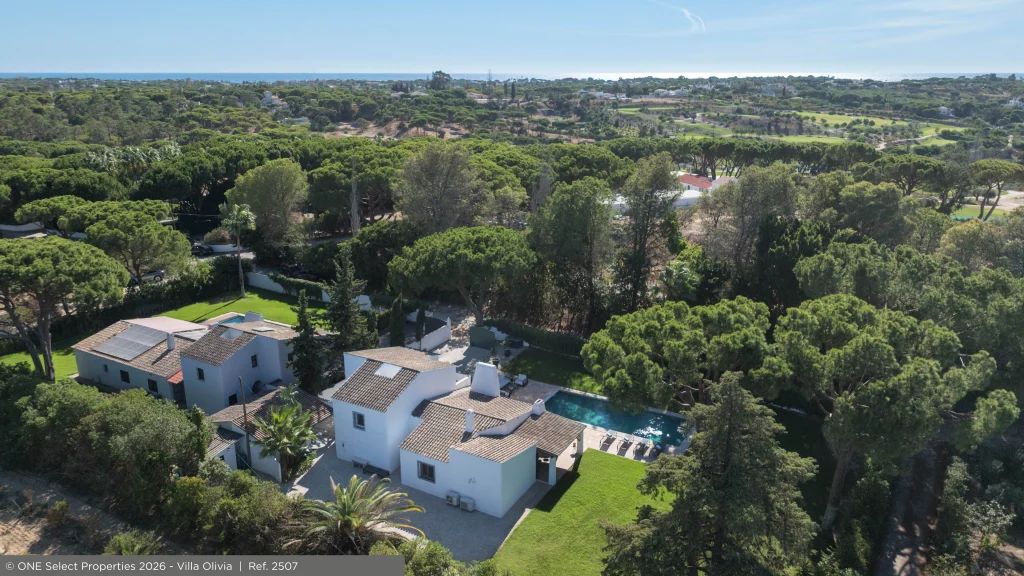
Villa Olivia in Ferrarias illustrates the point well. Its character does not depend on one dramatic contemporary living area or on constant access to the pool terrace. Traditional materials, a wood-burning fireplace and a separate snug give the house different ways of being occupied throughout the year.
That variety can be more valuable than it first appears. A good year-round Algarve home should work when it is full, but also when it is quiet.
Follow the Winter Sun
“South-facing” is one of the most familiar phrases in Algarve property descriptions. But what is the best orientation for a house in the Algarve, and is south-facing always better? The answer is more nuanced than the label suggests.
Orientation affects much more than the amount of sunshine a property receives. It influences which rooms are bright in the morning, where afternoon light falls, how long a terrace remains usable and how warm different parts of the house feel during the cooler months.
In August, when daylight is plentiful, these distinctions can be surprisingly difficult to appreciate. In December, they become much easier to see.
A lower winter sun can penetrate further into interiors. A terrace that catches direct afternoon light can feel completely different from one that falls into shade. A living room that appears bright during a summer viewing may behave very differently later in the year.
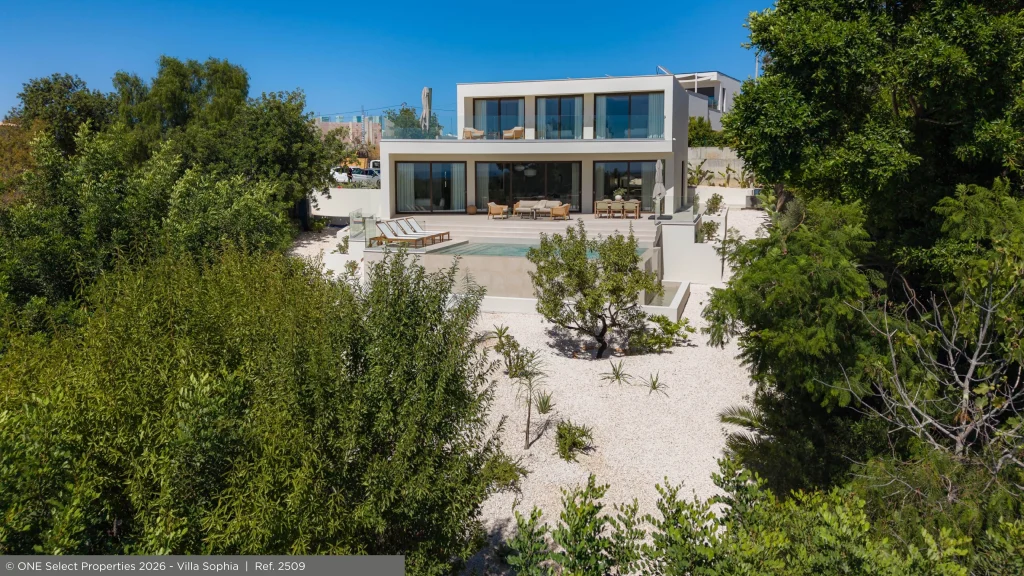
Villa Sophia in Cerro do Mocho demonstrates how orientation can form part of the architecture rather than simply the sales description. Its elevated south-facing position, extensive glazing and southerly orientation across the bedrooms allow natural light to play an important role throughout the property.
But orientation should never be judged in isolation. Glazing, roof overhangs, neighbouring buildings, landscaping and the placement of individual rooms all affect how sunlight is experienced. A well-designed south or south-west-facing property can benefit from winter sun while still being appropriately shaded in summer.
For buyers, the useful questions are surprisingly simple. Where would you have breakfast in December? Which terrace catches the afternoon sun? Does the main living room remain bright later in the day? Which bedrooms receive morning light?
These are things a floor plan cannot fully answer. Sometimes you have to stand in the house and watch where the sun actually goes.
Warmth Is Part of the Architecture
The Algarve has a mild winter climate, but mild does not mean heating is irrelevant. Do houses in the Algarve need heating in winter?
For buyers intending to spend time here throughout the year, the answer is usually yes. The more important question is how the property creates and retains comfort.
Underfloor heating, heat pumps, fireplaces, radiators and reversible air conditioning can all play a role. But the presence of a heating system on a specification sheet tells only part of the story.
Glazing matters. Insulation matters. So do flooring, ceiling height and the volume of the rooms being heated.
A double-height living space behaves differently from a smaller sitting room. A wall of glass can bring valuable winter sun into a house, but its thermal performance depends on the quality of the glazing and frames. Stone or tiled floors can be wonderfully practical in summer, but their relationship with underfloor heating becomes much more noticeable in January.
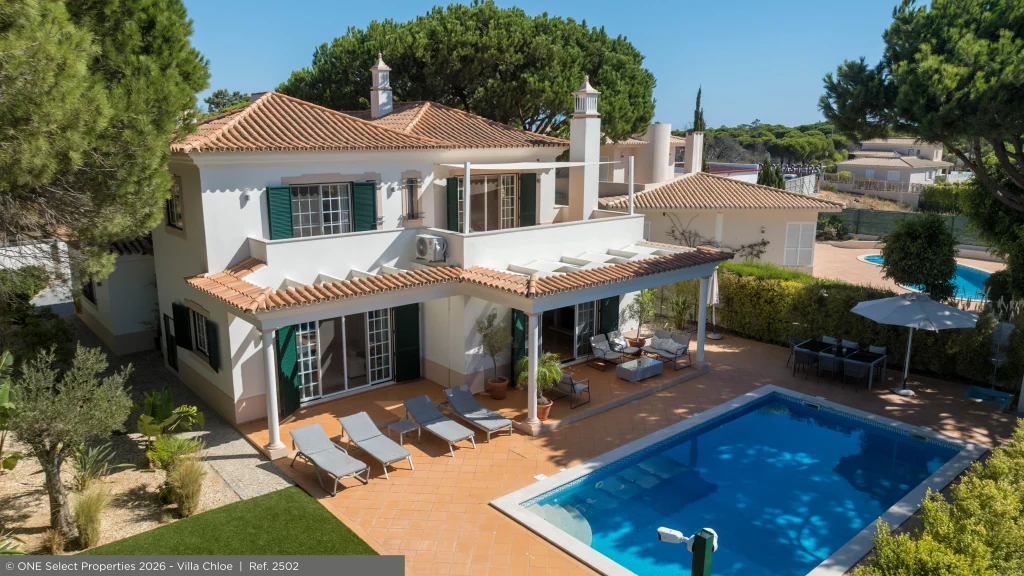
This is where Villa Chloe in Vilas Alvas is interesting. Its more established Algarve architecture has been combined with practical measures including double glazing, radiators, underfloor heating in the bathrooms and a wood-burning fireplace. Large glazed openings and a south-west orientation help connect the interiors with the exterior spaces, but the house does not rely on sunshine alone to feel comfortable.
Villa Sophia approaches the same question from a more contemporary direction, with hydraulic underfloor heating, a heat pump and high-quality window systems incorporated into the design.
They are different houses, but the principle is the same. Year-round comfort is most successful when it feels integral to the property rather than added afterwards.
A Rainy Viewing Can Be Useful
Most buyers travelling to the Algarve to view properties hope for sunshine. Occasionally, rain is more informative.
It shows how water moves around a property. It reveals whether covered terraces are genuinely sheltered, whether water gathers around paths or entrances and how easy it is to move between the car, front door and main living areas when the weather is less cooperative.
It can also change the way you experience the plot. A terrace that feels perfectly positioned on a still summer day may prove exposed to wind at another time of year. Another outdoor area, less dramatic in photographs, may turn out to be protected enough to use for considerably longer.
So what should you look for when viewing an Algarve property in winter? Not only signs of maintenance or technical problems. Look at how the property behaves.
Where does the rain go? Which entrance do you naturally use? Which terrace remains sheltered? How much natural light reaches the interiors on an overcast day? Does the garden still contribute to the view even when nobody is beside the pool?
Weather provides information that perfect blue skies cannot. And some of that information is difficult to change later. A kitchen can be replaced. A bathroom can be redesigned. Furniture can disappear in an afternoon.
The relationship between a house, its plot and the elements is much more permanent.
Think About the House at Half Capacity
Summer encourages buyers to imagine a property at its busiest. Children visiting. Friends staying. Every bedroom occupied. Large tables full. The pool in constant use.
But second-home ownership rarely looks like that every week. There may be long periods when only one or two people are in the house. A ten-day stay in December. A week in February. A long weekend in March. Perhaps increasingly long visits later in life.
This is where the difference between having space and having useful space becomes important.
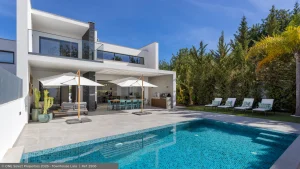
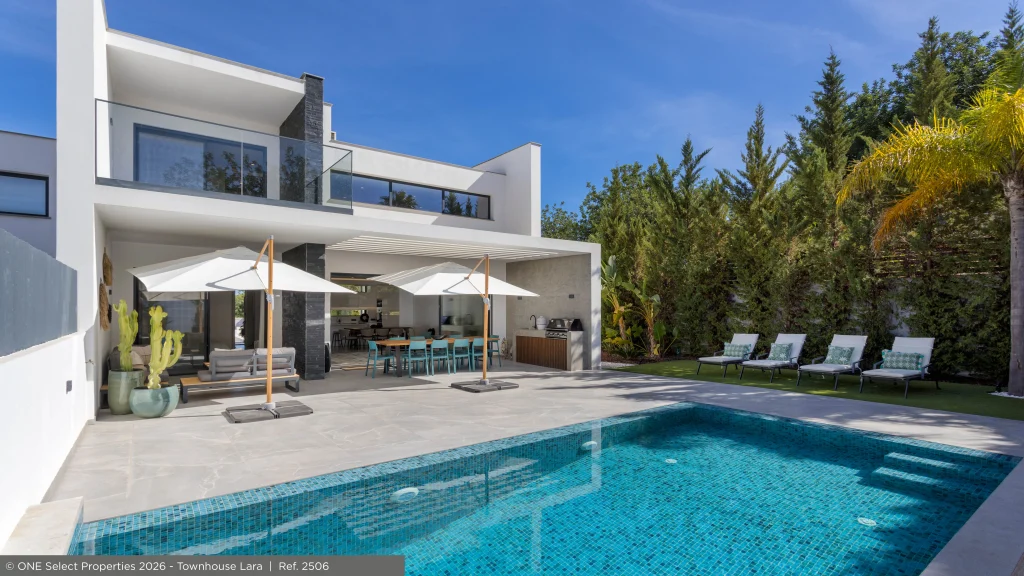
Townhouse Lara in Cerro do Galo is a good example. Its south-west orientation, covered exterior spaces, double glazing and water-based underfloor heating all contribute to use beyond the peak summer months. But one of its less obvious advantages is the separate television lounge.
During an August viewing, a secondary sitting room can feel like an additional feature.
In winter, it may become the room used every evening. This is one reason buyers should be cautious about assessing properties primarily through total square metres. A very large house can still offer surprisingly few places to feel comfortable when it is only partly occupied.
Conversely, a more compact property with several well-proportioned spaces can adapt extremely well between busy summers and quieter winter stays.
When considering what makes an Algarve property suitable for year-round living, flexibility often matters more than scale.
A Second Home Has Its Own Logic
International buyers are not necessarily looking for the same things as someone choosing a permanent family residence.
An Algarve home may be used intensively in July and August, again over Christmas and Easter, with shorter stays in between.
That pattern creates its own logic. What should international buyers check before buying a second home in the Algarve?
Start with how you genuinely expect to use it. Imagine arriving from the airport late on a Thursday in November. Can the house be made comfortable quickly? Does it feel manageable when only two people are staying? Is there somewhere appealing to have dinner nearby? Are the rooms you use most located together, or will you be heating and moving through a much larger house than necessary?
Then consider how those answers change when family arrives in August. The strongest second homes tend to handle both versions of ownership without feeling compromised by either.
That is something specifications cannot always communicate. It is about the rhythm of the house.
The Location After Summer
The same test should be applied beyond the property boundary. A neighbourhood does not need to feel identical in December and August. For many owners, part of the Algarve’s appeal is precisely that the rhythm changes.
But the things that matter to you still need to be there. Golf. Restaurants. A supermarket. A morning coffee. The gym. Walking routes. The beach. Medical services. Friends who also spend time here outside the summer.
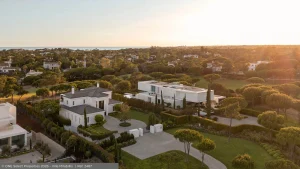
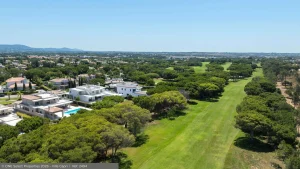
Townhouse Lara‘s proximity to Almancil is particularly relevant in this respect. It places the property close to the everyday infrastructure of the central Algarve, something that may seem relatively unimportant during a two-week summer holiday but becomes more noticeable during longer stays.
The same question applies within the resorts. What is Quinta do Lago or the Golden Triangle like in winter? Quieter, certainly. Different, yes. But different does not necessarily mean less appealing.
There is less traffic. Beaches are calmer. Golf becomes even more central to daily life. Walking and cycling can become more enjoyable during the day. Some seasonal venues close while others remain part of the year-round routine.
For one buyer, that quieter atmosphere may be exactly what they want. For another, it may confirm that they would rather be closer to Almancil, Loulé, Vilamoura or another year-round centre.
The point of seeing the Algarve outside summer is not to prove that one location is better than another. It is to understand which version suits you.
Four Homes, Four Different Answers
There is no single architectural formula for a successful year-round Algarve home.
Villa Sophia offers the light, technical specification and generous interior spaces of a contemporary villa.
Villa Olivia shows the appeal of a more traditional house, with intimate rooms and architectural character that does not depend on summer.
Villa Chloe combines established Algarve architecture with practical upgrades designed for comfort across different seasons.
Townhouse Lara offers a more contained form of ownership, with flexible interior space and a location close to the everyday life of Almancil.
Different property types can answer the December question in different ways. What matters is whether their particular strengths correspond to the way their next owner intends to live.
Try the December Test
Before deciding on an Algarve home, imagine arriving at Faro Airport in the middle of December.
It is late afternoon. The sun will set earlier than it did during your summer viewing. There are two of you staying in the house. Nobody is swimming tonight. Dinner may be at home. Now walk mentally through the property.
– Where do you naturally go first?
– Which room receives the last of the afternoon light?
– Is there somewhere comfortable to sit without feeling lost in a room designed for a large gathering?
– Where would you have breakfast the following morning?
– Is there a terrace that still catches the sun?
– If rain is forecast for the afternoon, are there interiors where you would genuinely enjoy spending the day?
– Would you walk somewhere for lunch, or use the car every time you leave?
– And, perhaps most importantly, how quickly does the property begin to feel like your home rather than a house waiting for summer?
Then ask the question again. Would you still choose it?
A House That Does Not Need August to Make Sense
None of this is an argument against buying for summer. The climate, landscape and relationship between indoor and outdoor living are fundamental to the appeal of owning a home in the Algarve.
A pool should matter. A terrace should matter. The garden, view and ability to open the house to the outside should matter enormously.
But the strongest properties have another quality. They do not require perfect summer conditions to make sense.
They remain bright when the sun is lower. Comfortable when the doors are closed. Sociable when the house is full, but equally pleasant when only two people are there. Their terraces respond to different times of day. Their interiors offer places to gather and places to retreat. Their location continues to support the life their owners actually want to lead.
At ONE Select Properties, we believe this is one of the most useful distinctions an international buyer can make.
Do not judge an Algarve home only in the season when it is easiest to fall in love with it. Imagine December as carefully as August. The right house should give you reasons to return for both.